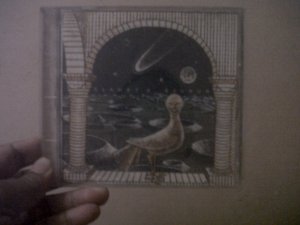
Album Svara karya Slamet Abdul Sjukur
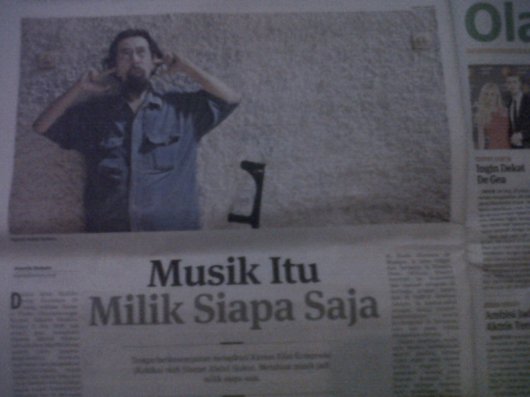
Ulasan Koran Tempo untuk kursus kilat komposisi yang diadakan SAS
Entah sejak kapan, teman-teman dekat komposer Slamet Abdul Sjukur yang meninggal dunia 24 Maret 2015, menyebut beliau dengan singkatan SAS. SIngkatan yang menurut saya enak diucapkan dan agak populer, karena mirip nama band rock Indonesia tahun 1970-an.
Sepanjang saya bergaul dengan beliau, saya berusaha untuk memberikan layanan yang terbaik sebagai sahabat, khususnya dalam hubungan saya sebagai pribadi yang bekerja di kelompok media Tempo. Misalnya, ketika beliau mengirim kolom, mengurus honorarium, membutuhkan dokumentasi dan lain-lain.
Terakhir ketika beliau diulas oleh wartawan Koran Tempo dalam kegiatan kursus kilat komposisi yang dimuat Koran Tempo 7 Agustus 2014, SAS menghubungi saya untuk meminta tolong mendapatkan soft copy atau file pdf ulasan tersebut. Malam itu saya dalam perjalanan kereta api dari Jakarta ke Jogja. Saya menerima pesan pendek beliau dan langsung meminta ke bagian perpustakaan Tempo untuk mengirimkan file pdf, lalu mengirimkan file tersebut ke SAS. Saya juga bilang, saya akan mengirimkan dokumen korannya ke beliau. Lalu SAS berkomentar: “Saya merasa seperti di surga kalau dengan Mas Kelik.”
Antara saya dan SAS memang jarang ketemu, setelah saya beberapa tahun terakhir ini kurang berdaya secara ekonomi. Dalam hati saya ingin melakukan banyak hal untuk SAS, tetapi selalu terkendala oleh mobilitas yang terbatas. Apalagi SAS banyak tinggal di Solo untuk mengajar di ISI Solo dan Surabaya, tempat tinggalnya, sementara saya di Bekasi.
Ketika SAS menggelar banyak acara untuk ulang tahunnya yang ke-79 pada 2013, dan saya diundang secara lesan, saya pun dengan sangat menyesal (apalagi sekarang) karena tak mampu menghadiri acara konser SAS. Padahal dalam percakapan telepon sebelum konser, SAS mengatakan kepada saya: “Mas Kelik, kalau saya bisa bertahan hidup untuk tiga tahun mendatang saja ini sudah cukup baik.” Waktu itu saya langsung menanggapinya dengan doa dan optimisme bahwa semoga dan saya merasa SAS akan berumur lebih panjang dari itu.
Namun ternyata memang feeling SAS benar. Dan celakanya ketika SAS diberitakan di media daring sakit pada Maret lalu, saya pun tak mampu melakukan “sesuatu” untuk SAS: baik membezuknya, apalagi membantu pengobatan dan lain-lain. Astagfirullahal ‘adhiim. Ampunilah dosa-dosa hamba ya Allah yang tak mampu melakukan sesuatu untuk guru, dan sahabat kami yang agung ini.
Saya beberapa kali mereview konser SAS di beberapa kesempatan. Dan memang dari konser itulah saya berkenalan dengan SAS. Awal perkenalan kami ketika SAS menggelar konser di Surabaya pada 1993. Dalam konser itu, SAS memperkenalkan istilah minimax, dan memainkan piano dengan mengganjal senar piano dengan kapas dan lain-lain. Beberapa wartawan mewancarainya, tapi yang memuatnya di media menurut SAS hanyalah saya. Dari situ SAS terkesan dan berteman sejak itu. “Jarang wartawan yang bisa menuliskan musik saya,” kata SAS kurang lebih begitu. Terus terang, saya yang mengerti musik secara awam, berani dan bisa menulis reportase dan ulasan musik SAS, juga karena dijelas-jelaskan oleh SAS.
Pertemuan-pertemuan kami berikutnya terjadi pada acara-acara Art Summit yang diadakan di Jakarta. Jika ada repertoar komposer musik kontemporer dari mancanegara, saya mau tidak mau harus mewawancarai SAS untuk mencari penjelasan tentang musik yang sering terdengar tak lazim ini. Misalnya, ketika komposer Amerika Alvin Lucier diundang untuk tampil dalam acara Art Summit.
Dalam kesempatan lain, saya pernah membantu menuliskan ulasan musik atas repertoar pianis dunia, misalnya ketika pianis Ananda Sukarlan pertama kali menggelar repertoar di Jakarta. Saya menuliskan kolom berdasarkan ulasan SAS. Ini dilakukan jika SAS tidak memiliki waktu cukup untuk menulis ulasan musik yang diminta berdasarkan pesanan media.
Begitulah sebagian dari kisah pergaulan saya dan SAS yang masih bisa saya ingat. Ini sekadar catatan pribadi dan barangkali ungkapan penghormatan saya terhadap SAS. Berikut saya sertakan ulasan musik saya atas repertoar SAS pada suatu acara di Kedutaan Prancis — yang belum tentu SAS menerima pendapat saya berikut ini. *
Jejak Teori Fraktal dalam Musik
Oleh Kelik M. Nugroho *)
Komponis Slamet Abdul Sjukur menciptakan musik dari subtansi puisi penyair Prancis Andre Velter.
Seorang penyair. Seorang komponis. Keduanya tampil di satu panggung dalam sebuah kolaborasi yang tak lazim. Yang satu membaca puisi berbahasa Prancis, yang lain memainkan instrumen musik tradisional secara solo. Kedua unsur itu ibarat guntur yang terdengar sayup-sayup dan embusan angin yang mendesir. Masing-masing menjalani garis karakternya, namun kadang saling bertaut dan memagut.
Itulah gambaran pertunjukan kolaborasi Slamet Abdul Sjukur, komponis musik kontemporer terkemuka Indonesia, dan Andre Velter, penyair “pengembara” asal Prancis di Gedung Kesenian Jakarta pada Jumat, 18 Maret 2005. Tontonan gratis yang diselenggarakan Francophonie, Organisasi International Masyarakat Penutur Bahasa Prancis, dan Pusat Kebudayaan Prancis di Jakarta itu menyedot kehadiran banyak penonton. Tentulah, banyak warga negara asing juga datang.
Slamet, aset Indonesia yang hidup bersahaja, malam itu mengusung komposisi berdurasi satu jam, termasuk puisi Andre, tanpa judul. Musiknya menggunakan instrumen gender gancet, karunding, sanza, dan dawai tunggal. Gender gancet adalah gender laras pelog-slendro tumbuk limo yang dipesan khusus dari bahan baja untuk keris. “Efek psiko akustiknya memberikan rasa ayem,” kata Slamet. Sedang sanza adalah instrumen tradisional Peru, sementara dawai tunggal adalah instrumen tradisional India. Masing-masing instrumen itu dimainkan secara solo oleh Slamet secara kronologis yang terdiri dari enam fase: dawai-karunding-gender-dawai-sanza-gender. Puisi Andre muncul kadang secara solo di antara enam fase, dan kadang keduanya saling bertaut.
Musik Slamet yang bertempo lamban secara umum menghadirkan suasana keheningan. Struktur melodinya tergantung mood situasional. Dalam karya kali ini, Slamet memakai pola bermusik yang mengadopsi teori fraktal, di mana serpihan-serpihan mewakili dan mengandung unsur utama. Serpihan-serpihan itu kadang mewujud secara terpisah, kali lain bertaut dan menyatu dengan unsur utama. Bunyi yang dihasilkan oleh instrumen sesuai dengan karakter masing-masing dan dieksplorasi secara maksimal. “Saya tidak mau memperbudak bunyi,” kata Slamet.
Teori Fraktal sendiri dirumuskan oleh ahi matematika Prancis Benoit Mandelbrot pada 1960-an. Sifat paling mencolok bentuk-bentuk fraktal ini ialah bahwa pola-pola khasnya ditemukan berulang-ulang pada skala-skala menurun, sehingga bagian-bagiannya, pada skala mana pun, bentuknya sama dengan keseluruhan. Mendelbrot mengilustrasikan sifat persamaan diri ini dengan memecah sebuah kol dan memperlihatkan bahwa dengan sendirinya, potongan terlihat seperti sebuah bunga kol kecil. Ia mengulangi peragaan ini dengan membagi potongan bunga kol yang sangat kecil, sehingga setiap bagian terlihat seperti keseluruhan bunga kol itu. Bentuk keseluruhan sama dengan bagiannya pada semua level (Buku Jaring-jaring Kehidupan karya Fritjof Capra, terbitan Fajar Pustaka Baru, 2001).
Musik Slamet itu sama sekali bukan bentuk dari musikalisasi puisi, istilah populer yang tak disukai Slamet. Dalam proses penciptaan, Slamet menggenggam substansi puisi Andre – tentang air dan api misalnya, dan kemudian memakai substansi itu sebagai dasar pijak penciptaan musik. Proses kolaborasi itu sendiri merupakan sebuah tantangan, karena dia mengaku menggarap karya itu setelah memperoleh pesanan untuk menciptakan musik pertunjukan kolaborasi dengan Andre. “Ini semacam pekerjaan,” kata Slamet jujur.
Walau karya pesanan, tantangan itu di tangan Slamet, tetaplah menjadi karya yang sangat bernilai. Maklum, Slamet adalah komponis yang telah “jadi”. Karakter utamanya tak meluntur, walau tsunami menghantam dan teror mengancam. Menelisik jejak karya-karyanya, musik Slamet memiliki ciri-ciri khas, antara lain di ambang batas antara yang terdengar dengan yang tak terdengar. Ciri lain menyangkut ketepatan saat (momentum, atau timing). Dan yang utama, musik Slamet cenderung tidak memperbudak bunyi. Berangkat dari ketiga ciri tadi, tak mengherankan bila musik Slamet di telinga kebanyakan orang, terdengar abstrak, aneh, atau membuat kening berkerut.
Musik Slamet memang bukan sejenis hiburan. Putu Wijaya, seniman teater garda depan Indonesia, pernah menulis ulasan terhadap karya Slamet berjudul Parentheses I dan II pada 1977, yang mengatakan bahwa karya Slamet merupakan ajakan untuk berpikir bersama-sama. Dalam pertunjukannya, ada semacam jalan pikiran yang dengan jelas terasa ditawarkan. Meskipun bunyi yang bisa didengar cukup memancing penonton untuk dengan merdeka melanjutkannya dengan asosiasi dan imajinasi bermacam ragam tergantung dari latar belakang setiap penonton, tetapi jelas semuanya sangat rasional. Barangkali inilah yang menyebabkan apa yang bisa dialami dari pertunjukan Slamet lebih banyak meminta daripada memberi. Demikian kata Putu.
Kolaborasi musik dan puisi ini sendiri adalah yang keenam. Sebelumnya Slamet pernah menciptakan musik berdasarkan puisi karya penyair Sitor Situmorang (Week End, dan Bunga di Atas Batu) dan Sugiarto Sri Wibowo pada 1960-an, puisi Tatang Sontani pada 1960-an, puisi penyair Prancis pada 1968, kumpulan puisi Ronald D. Laing berjudul Knots pada 1973, dan puisi Chairil Anwar pada 1982. “Semua karya tersebut saya ciptakan dengan pendekatan yang kurang lebih sama,” kata Slamet.
Apa pandangan Slamet tentang puisi Andre? “Buat saya, inilah seorang penyair. Kata tak lagi memberikan informasi. Di tangannya, kata menjadi bertenaga,” kata Slamet. Di mata Slamet, kepenyairan Andre bisa disejajarkan dengan penyair Indonesia terkemuka Goenawan Mohamad dan Chairil Anwar. Siapakah Andre Velter? Dia penyair kelahiran Ardennes Prancis pada 1945 yang sering mengembara ke banyak negara antara lain Afganistan, India dan Tibet. Ia mendefinisikan dirinya sebagai penyair dan pengembara besar, penulis, penulis esai, penulis untuk koran Le Monde, produser radio, pemimpin redaksi majalah Gallimard. Dalam bahasa puitis, dia adalah pengembara yang selalu waspada. Warga setiap negara. Pengasingan dari dalam. Kekasih angin (kutipan dari “Autoportraits” Parole d’Aube karya André Velter, 1991). Kolaborasinya dengan komponis, seperti Slamet misalnya, adalah upaya menciptakan sebuah oralitas baru, dan menciptakan polifoni baru. *
*) Artikel ini pernah dimuat Koran Tempo pada 20 Maret 2005.




 Piringanhitam